Arches National Park Guide: Tips, Best Time to Visit & What to Know
Arches National Park, located just outside Moab, Utah, is home to more than 2,000 natural sandstone arches. The largest concentration of natural stone arches anywhere in the world.
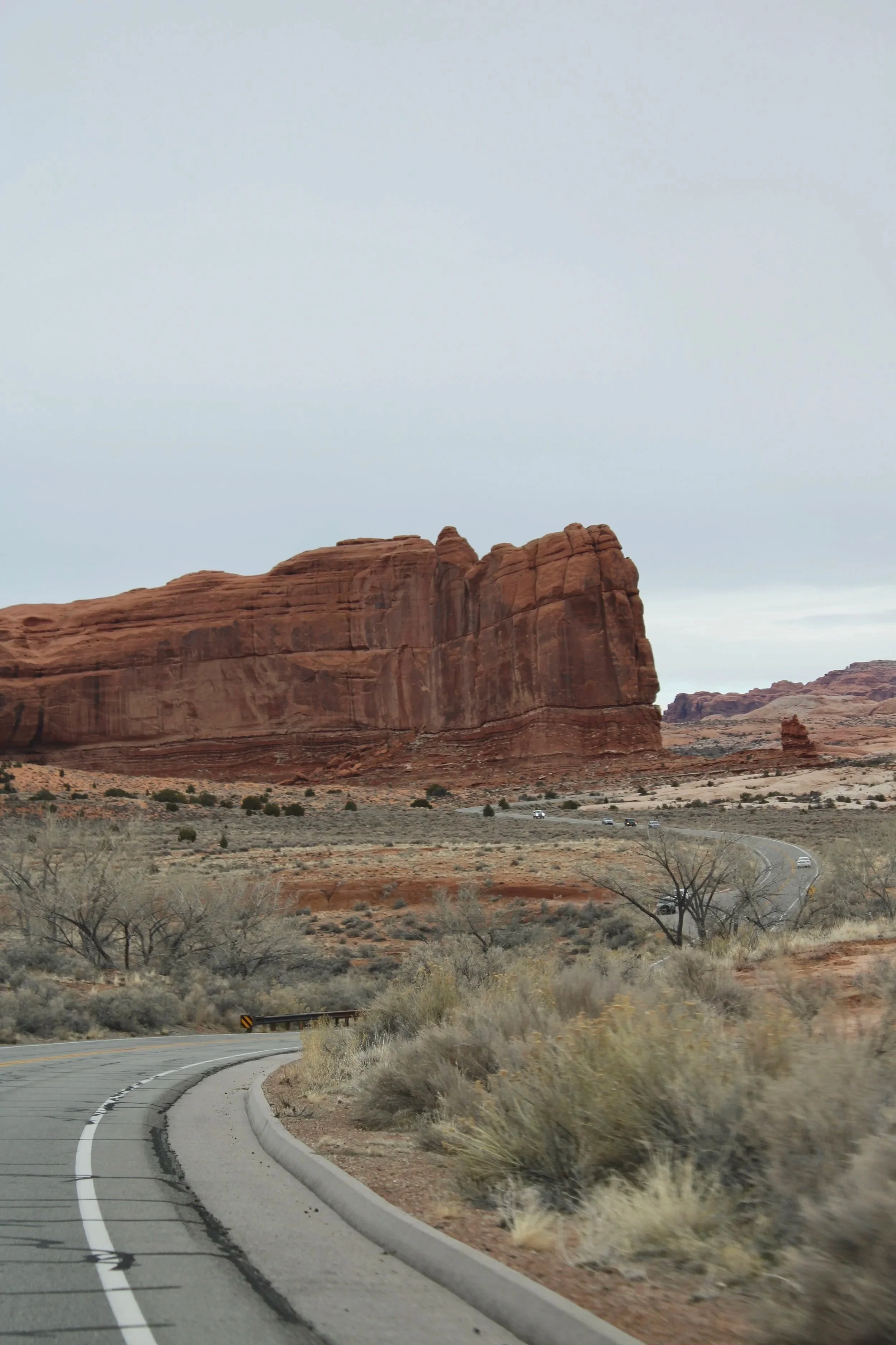
Long before Arches became one of Utah’s most photographed places, the desert was slowly shaped over millions of years. What looks almost sculpted by hand is actually the result of erosion, shifting salt beds, and time. A reminder that this place has been changing long before we ever arrived. Wind, water, and extreme temperature shifts continue to shape the red sandstone formations today, meaning the park is constantly evolving. Some arches collapse, new ones form, and the landscape subtly changes with each passing year.
For centuries, this land has been home to Indigenous peoples, followed later by explorers and settlers. Arches was officially designated a national monument in 1929 and later became a national park in 1971, preserving its fragile desert environment for future generations.
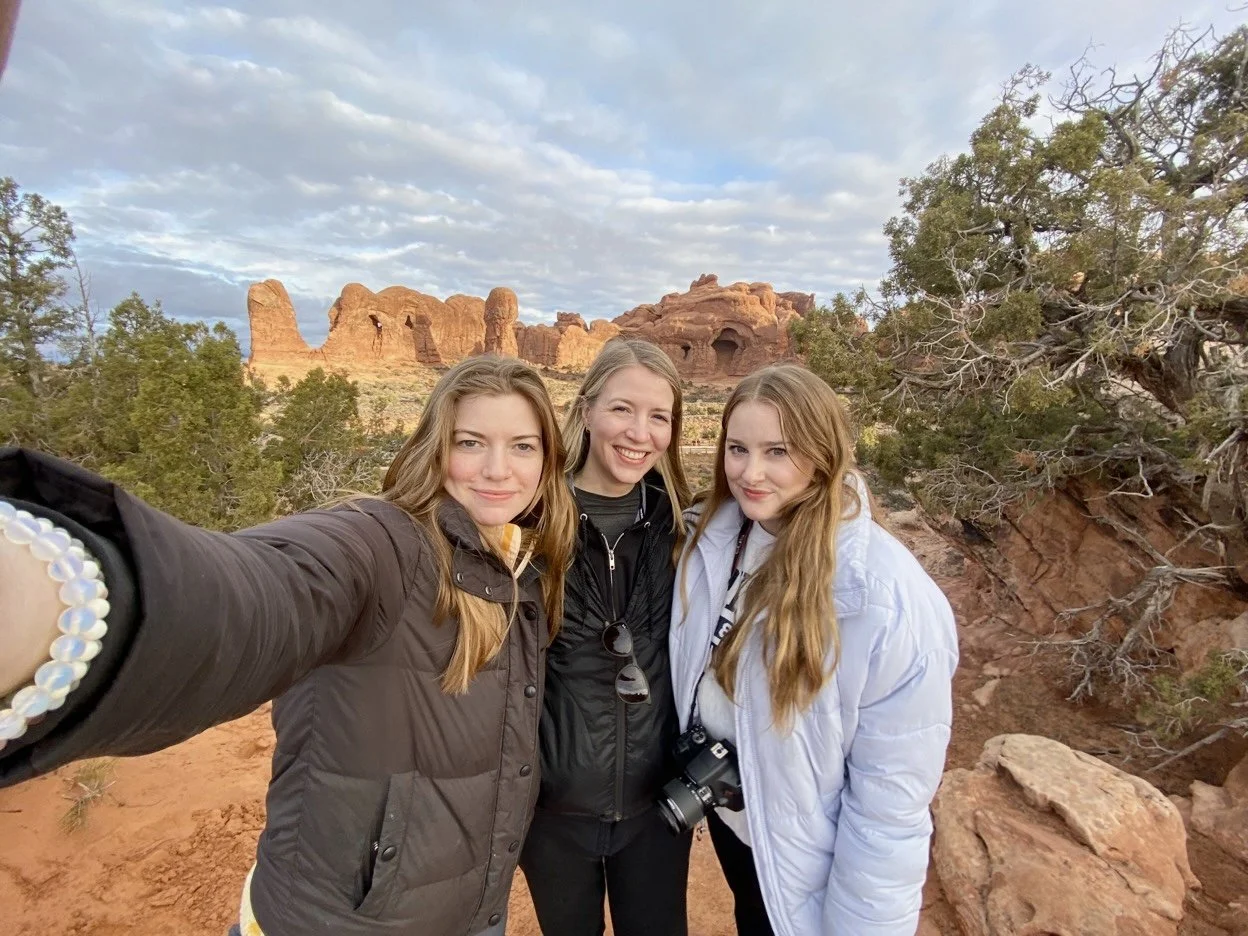
I had the pleasure of doing a Utah National Park tour when my two cousins lived out in Utah. Coming from the East Coast, Utah really was a cultural shock. From the landscape and the people, I haven’t been anywhere like that before. The scale, the colors, the quiet moments between viewpoints, it’s the kind of place that makes you slow down and really look around.
If you’re planning a trip (or just dreaming of one), here’s what I’d recommend!
Arches National Park at a Glance
Location: Moab, Utah
🥾 Best For: Hiking, photography, scenic drives
Time Needed: 1–2 days
Best Time to Visit: Spring & Fall
Entrance Fee: $30 per vehicle (or America the Beautiful Pass)
Don't Miss: Delicate Arch, Double Arch, The Windows, Devils Garden


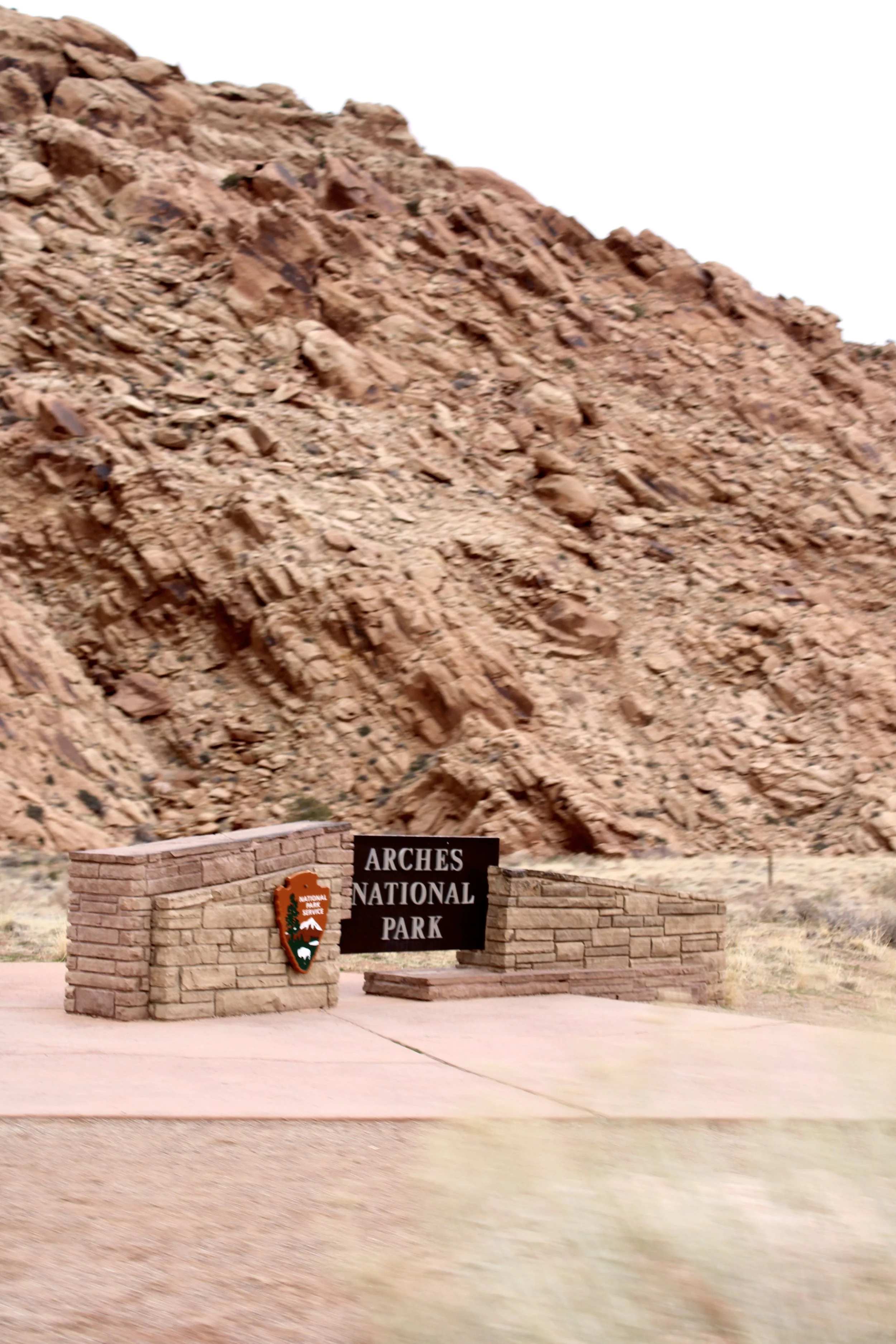
Best Hikes in Arches National Park
Arches National Park offers a wide range of hikes, from quick scenic walks to longer, more adventurous trails. There are over 2,000 natural stone arches in the park, making it the largest concentration of arches in the world. Some of the most famous ones include Delicate Arch, Landscape Arch, and Double Arch.
Skyline Arch in Devils Garden
Easy Hikes & Short Walks
These trails are perfect if you want incredible views without committing to a long hike and they’re ideal for photography.
Balanced Rock
Distance: 0.3-mile loop (10–15 minutes)
A short, paved loop that circles one of the park’s most recognizable formations. This stop is quick, accessible, and especially beautiful in the late afternoon or at sunset.
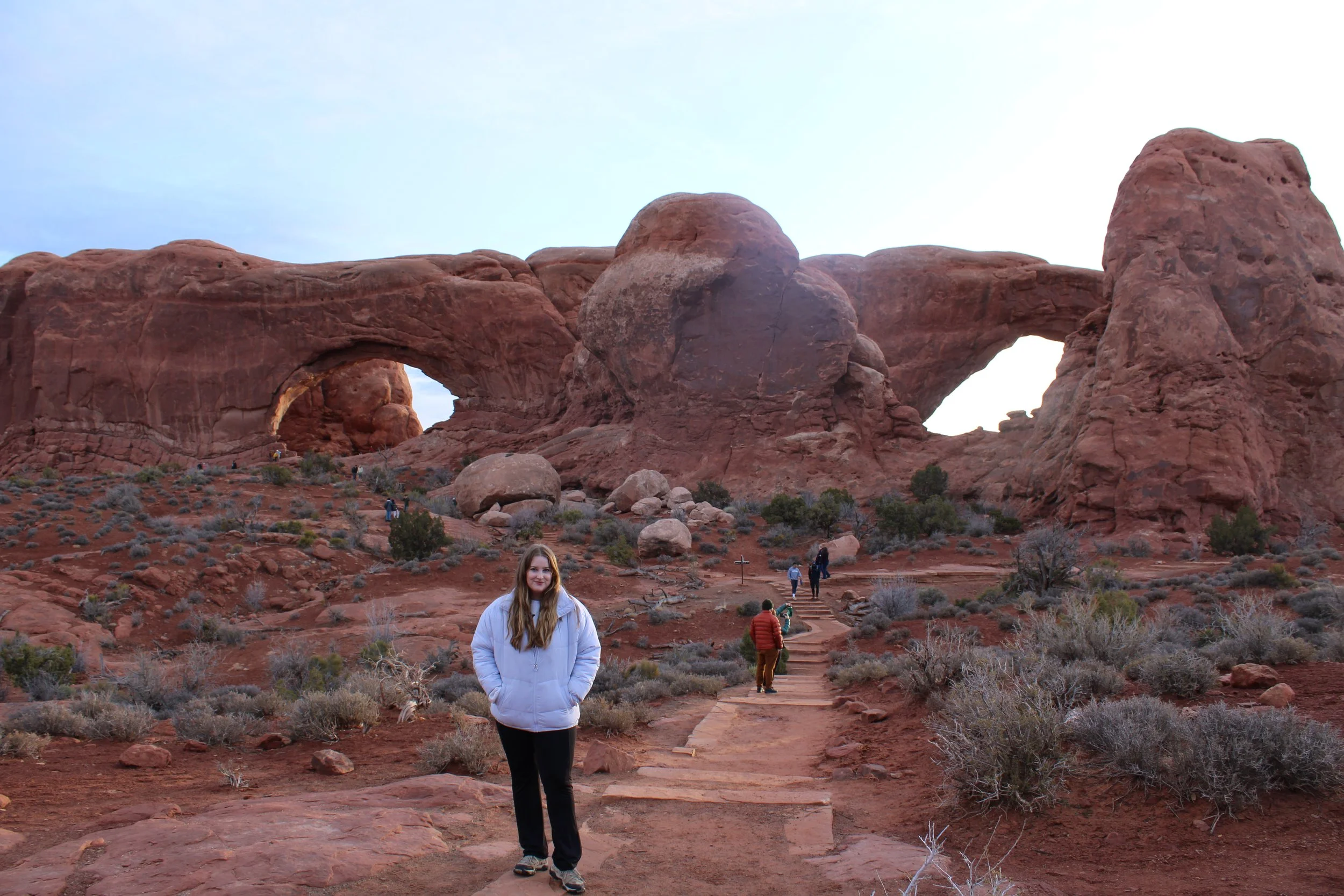
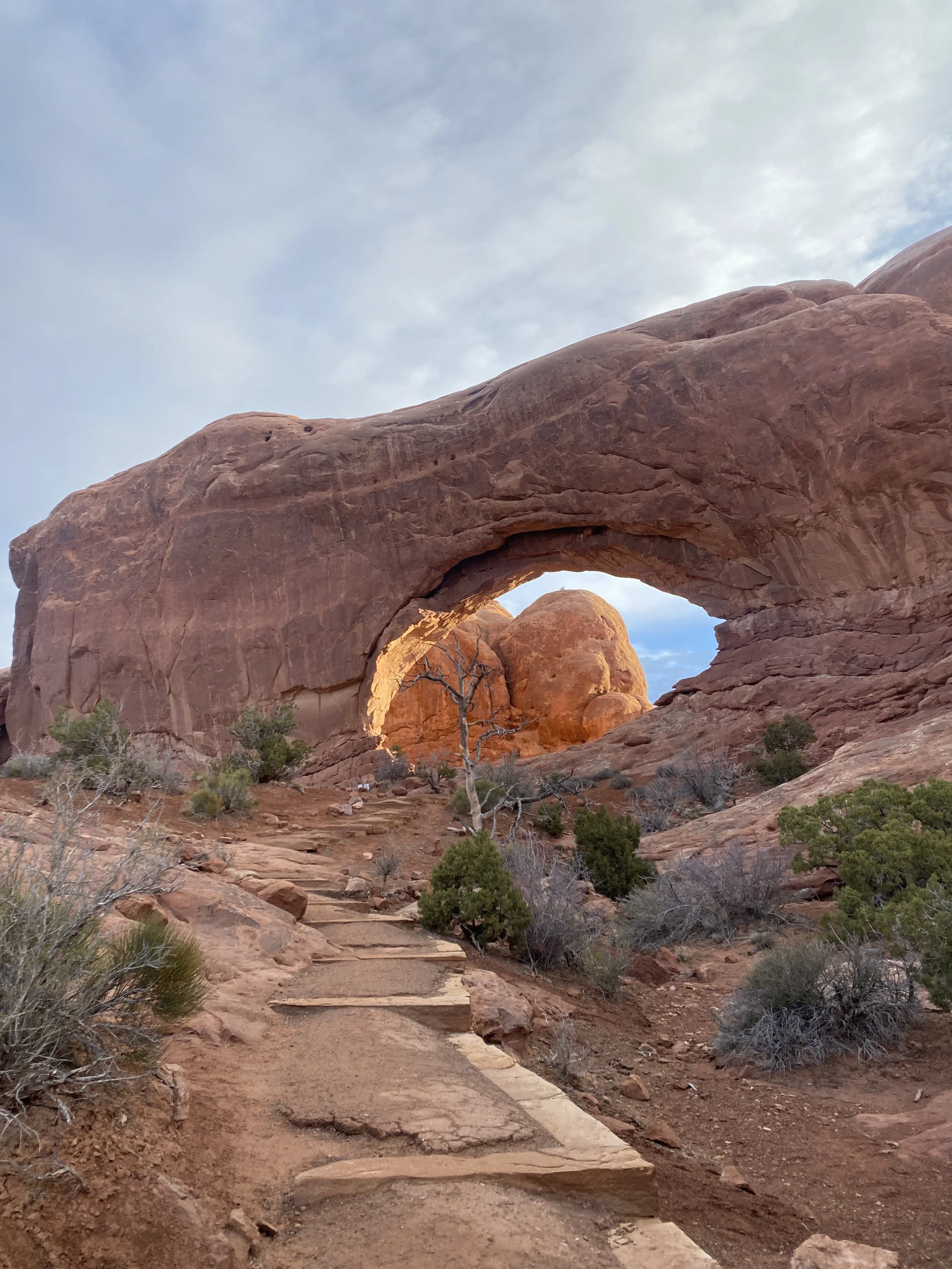
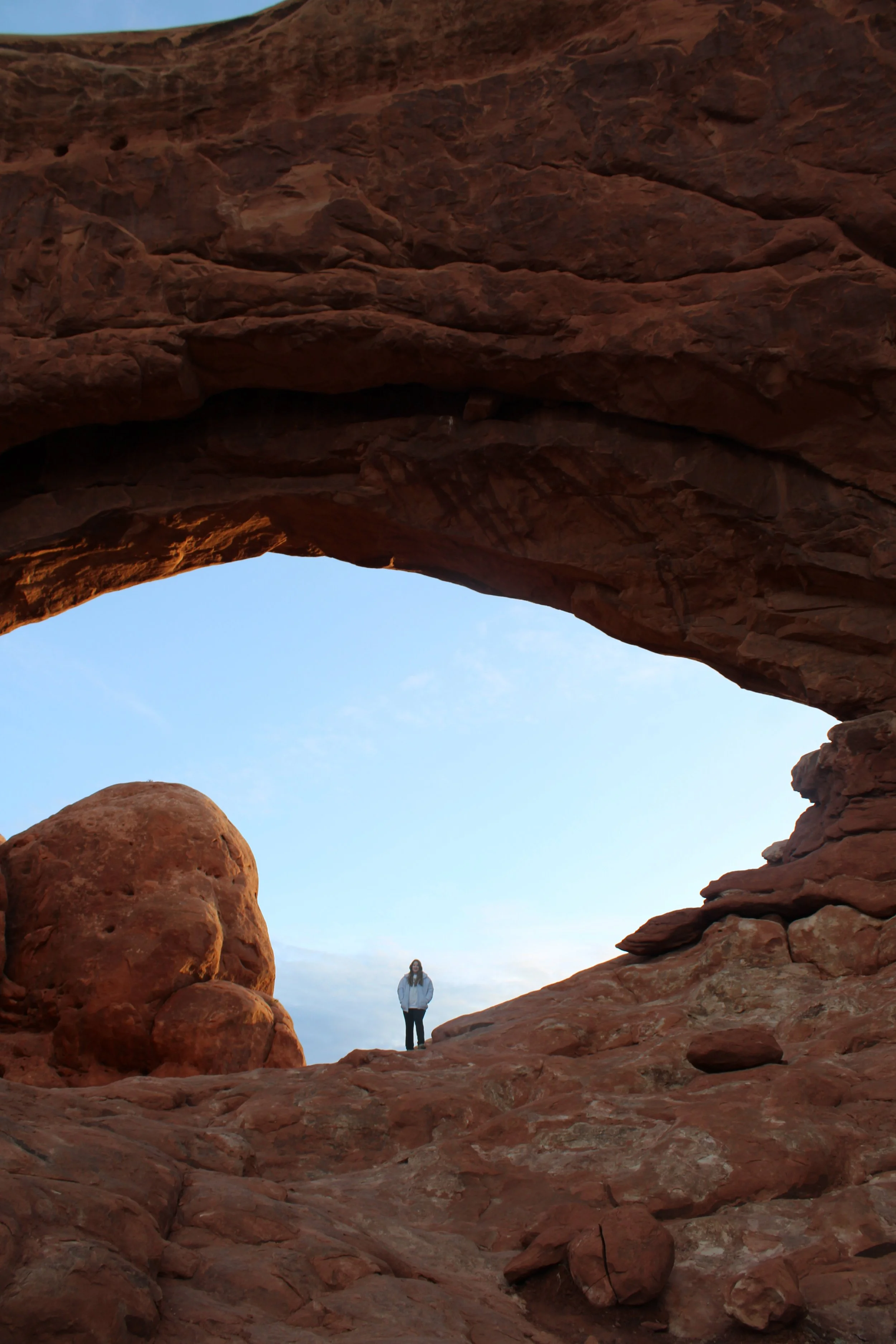
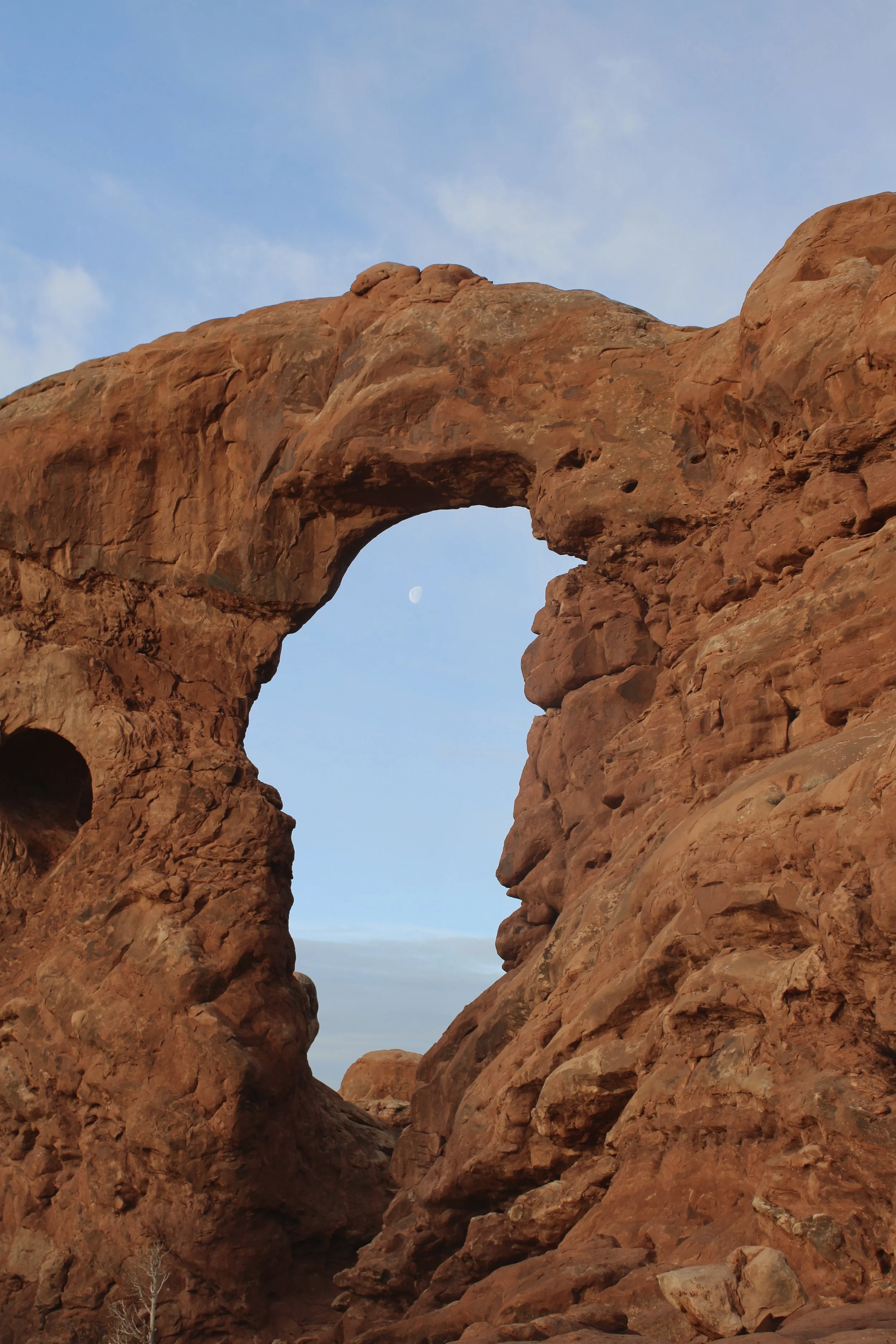
The Windows Section (North Window, South Window & Turret Arch)
Distance: Approximately 1-mile loop (30–45 minutes)
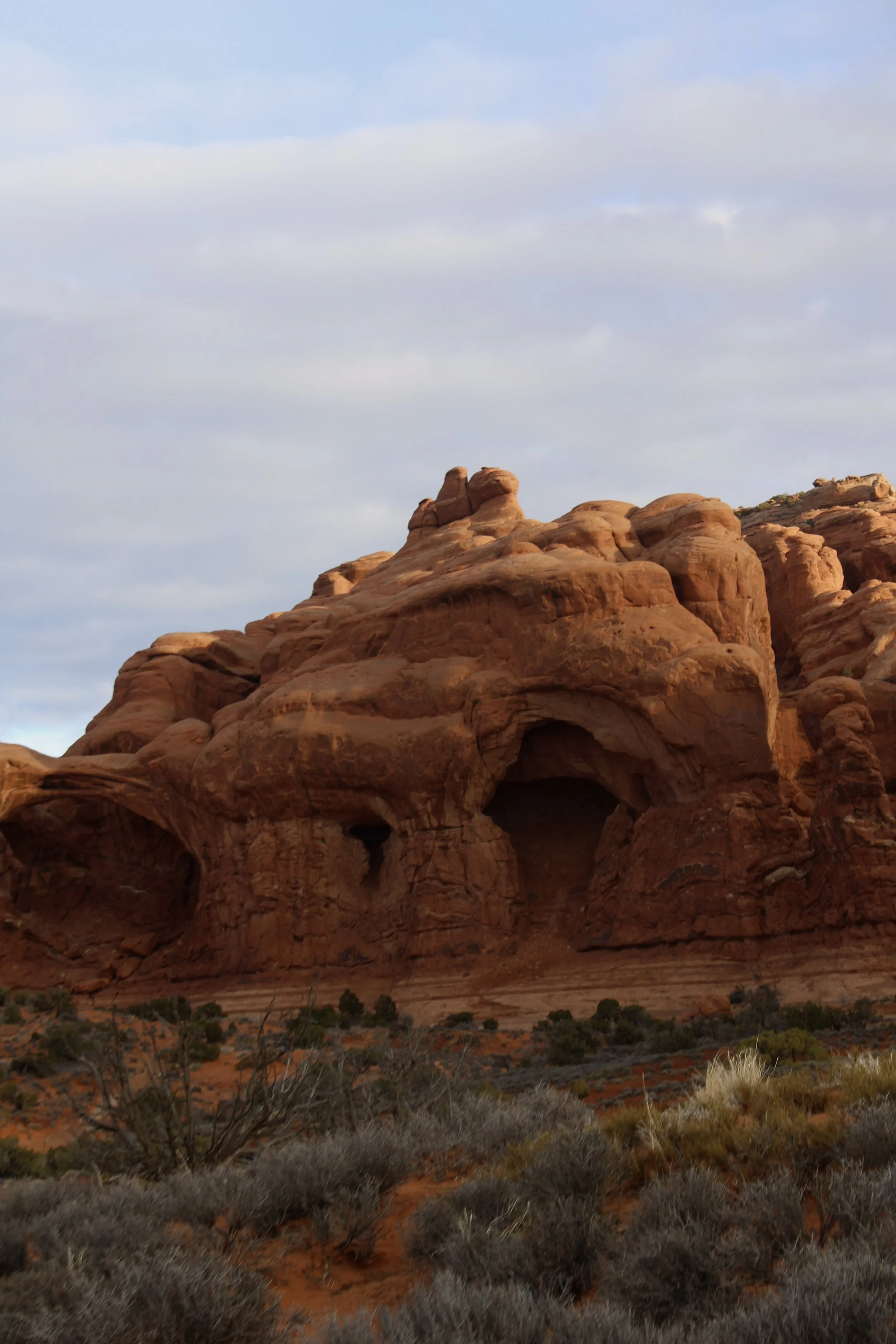
This area packs multiple arches into one easy-to-explore section of the park. The trails are short and mostly flat, making it a great spot to wander, take photos, and see several iconic formations in a short amount of time. Nearby Double Arch is also an easy walk and well worth the stop.
Park Avenue
Distance: 2 miles round trip (or 1 mile one way if you have someone to pick you up) (45–60 minutes)
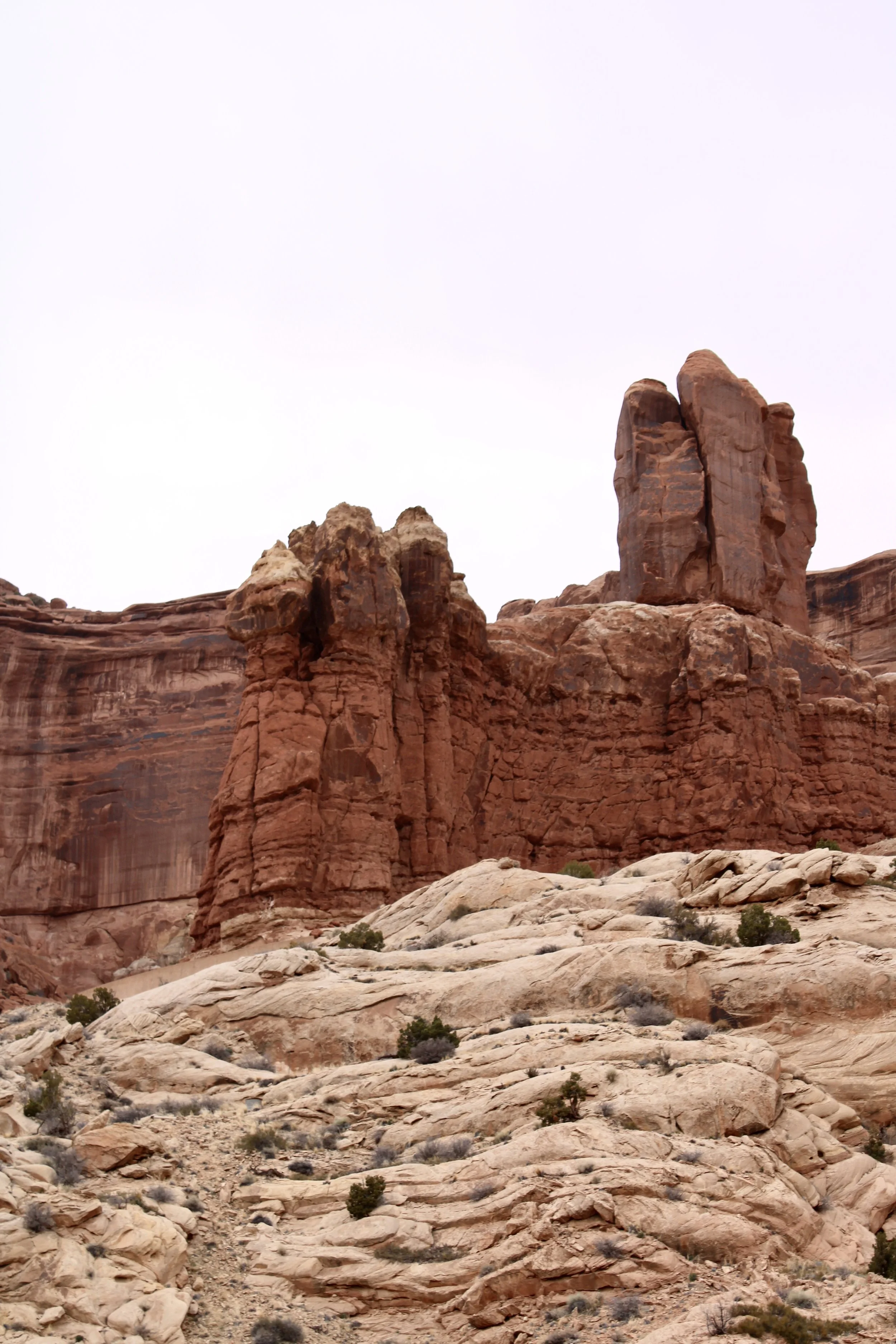
This trail feels completely different from the rest of Arches, with towering rock walls that resemble a city skyline. It’s a great introduction to the park and works well as an early morning hike.
Moderate Hikes
These hikes require a bit more effort but lead to some of the most famous sights in Arches National Park.
Delicate Arch
Distance: 3 miles round trip
Time: 2–3 hours
Elevation Gain: Approximately 480 feet
The most iconic hike in the park and a must-do for many visitors. The trail is exposed with steady elevation gain, so it’s best tackled early in the morning or later in the day.
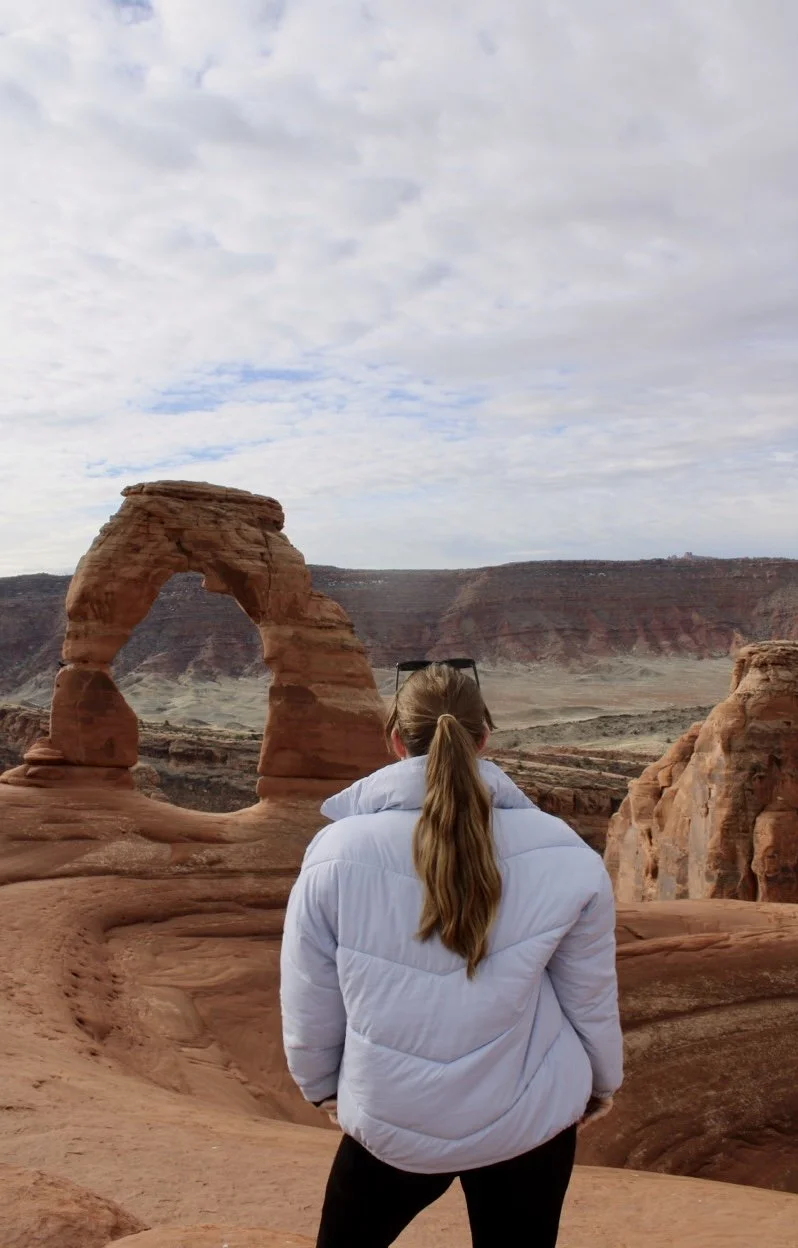
Personal Story: I only had one day in Arches National Park, so I knew I wanted to make the hike to Delicate Arch my top priority. Looking back, I'm so happy I made that decision. Seeing the arch in person is something I'll never forget. As someone who doesn't hike regularly, I'll be honest—it was a workout. Between the steady incline, the slickrock terrain, and the lack of shade, I definitely earned that view (and slept very well that night!). Was it hard? Absolutely. Would I do it again? Probably not. But am I glad I did it? Without a doubt. Standing in front of one of the world's most iconic natural landmarks made every challenging step worth it.
Broken Arch & Sand Dune Arch
Distance: Approximately 2.4 miles round trip if combined (1.4 miles for Broken Arch plus 0.4 miles round trip for Sand Dune Arch, with the connecting trail)
These two hikes can be combined for a quieter, less crowded experience. Broken Arch offers open views and solitude, while Sand Dune Arch feels tucked away between tall rock walls with soft sand underfoot.
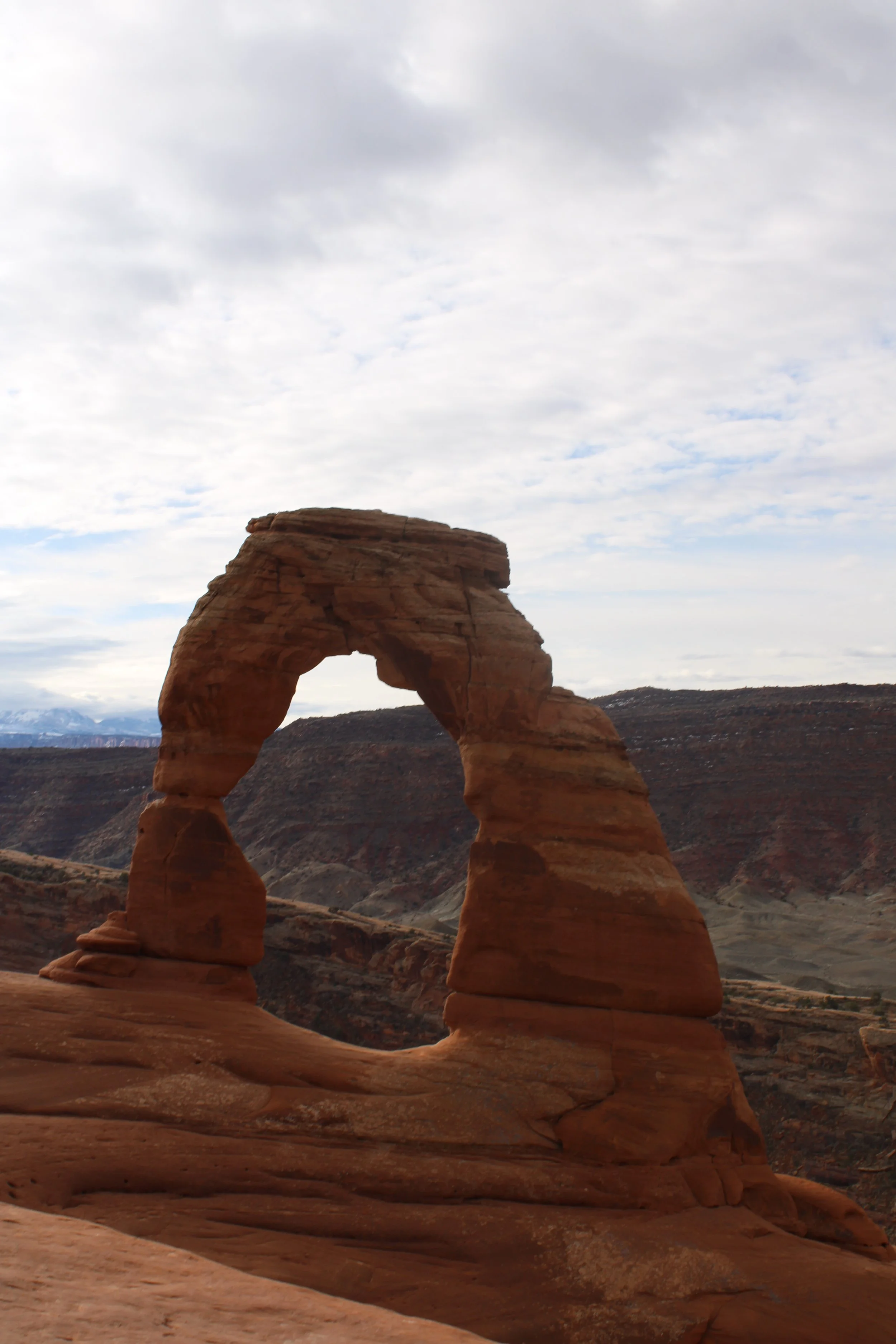
Delicate Arch
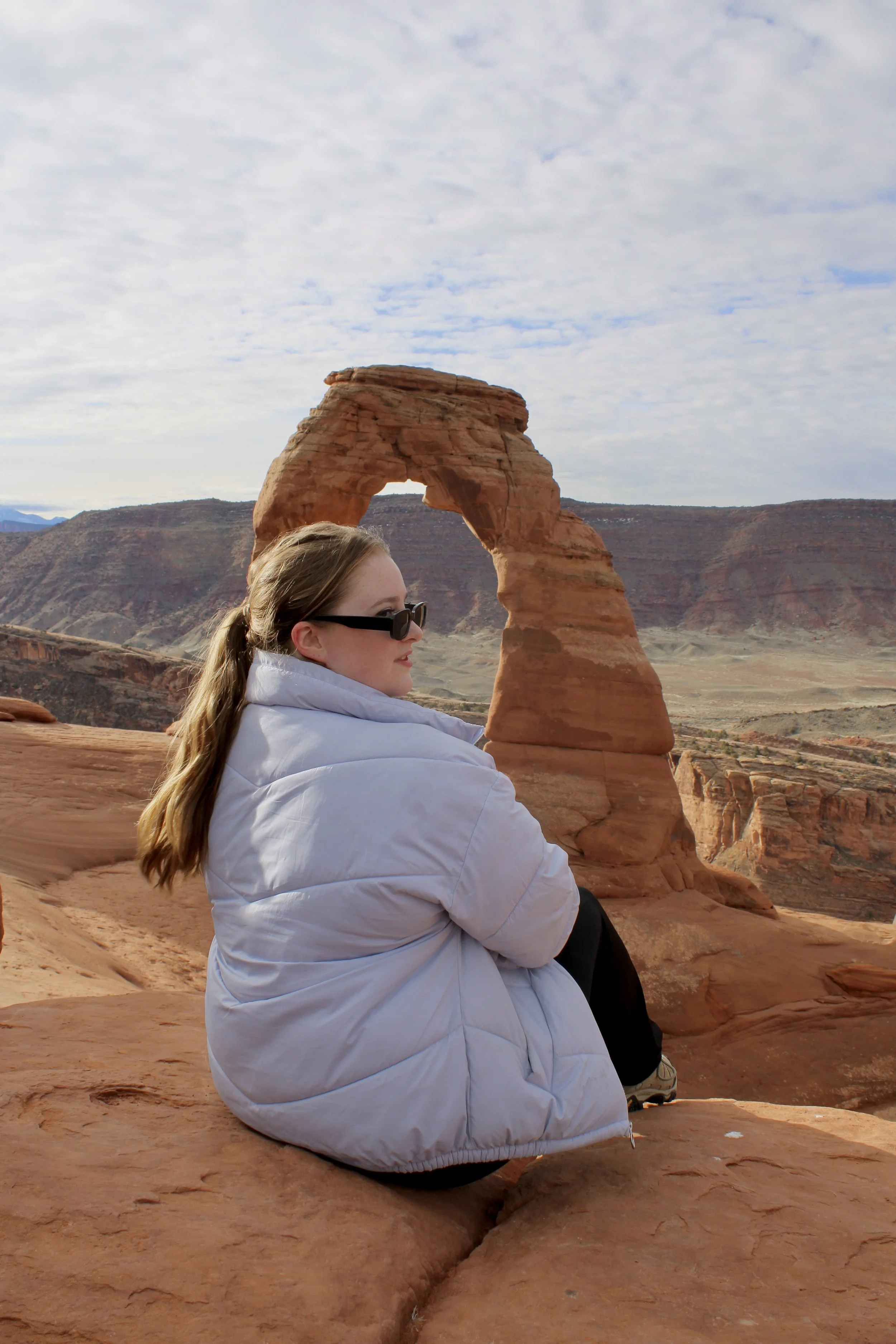
The few at Delicate Arch was unlike anything I have seen before!
Longer & More Adventurous Hikes
For those looking to explore deeper into the park, these trails offer fewer crowds and a more rugged experience.
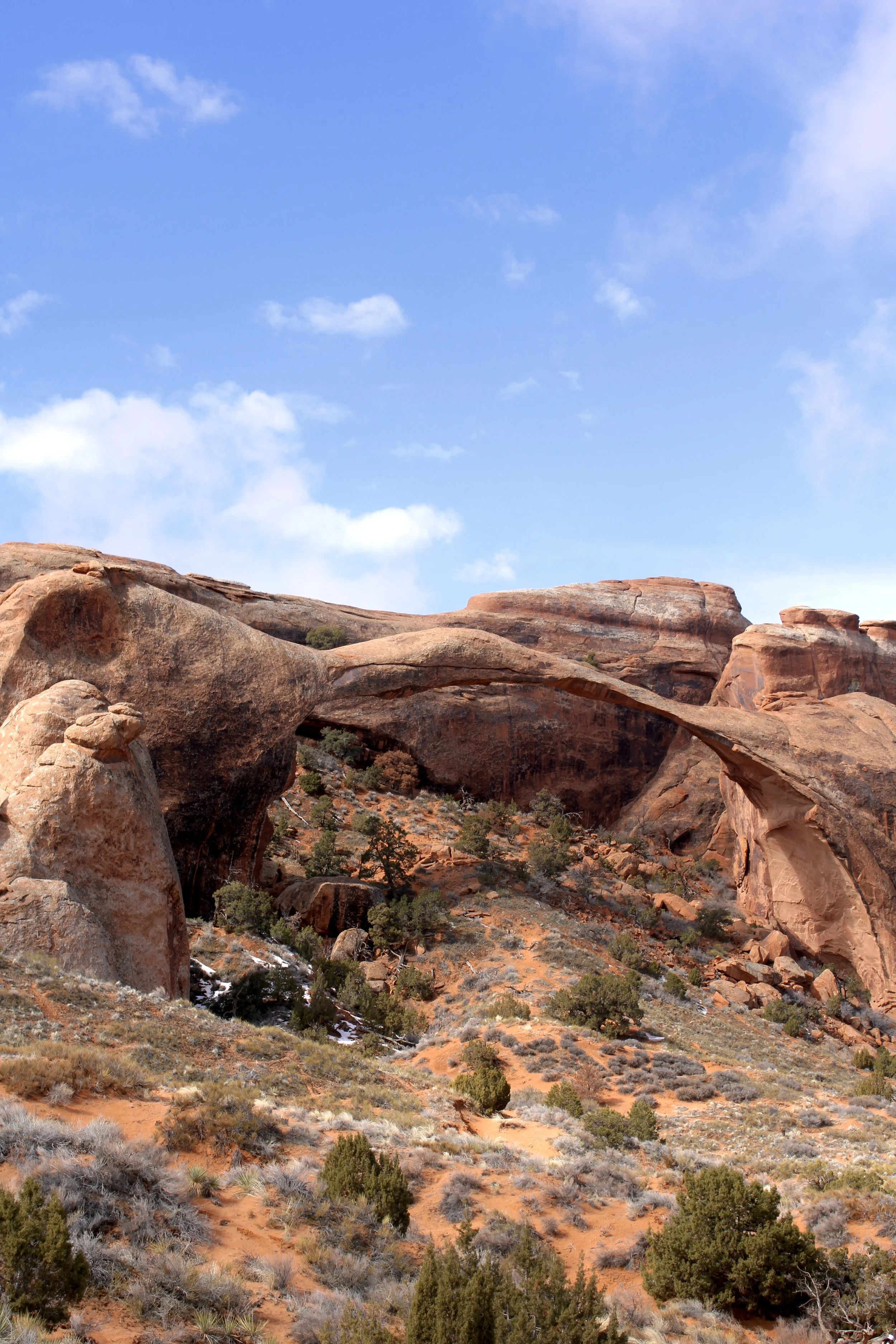
Devils Garden & Landscape Arch
Landscape Arch Distance: 1.9 miles round trip (1–1.5 hours)
Double O Arch Distance: 4.2 miles round trip (2–3 hours)
Primitive Loop Distance: 7.2-mile loop (3–5 hours)
This area is home to some of the most impressive formations in Arches. The hike to Landscape Arch is relatively easy and leads to one of the longest natural arches in the world. More experienced hikers can continue on to Double O Arch or complete the Primitive Loop, which offers a more remote and challenging route.
Scenic Viewpoints (Minimal Walking)
If you’re short on time or prefer less hiking, Arches also has incredible viewpoints that require little walking.
Courthouse Towers Viewpoint Distance: 0.3-mile paved walk (10–15 minutes)
Lower Delicate Arch Viewpoint Distance: 0.2 miles round trip (5–10 minutes)
Upper Delicate Arch Viewpoint Distance: 0.5 miles round trip (20–30 minutes)
Courthouse Towers Viewpoint offers a sweeping overview of the park’s rock formations, while the Lower and Upper Delicate Arch Viewpoints provide great views without hiking all the way to the arch itself.
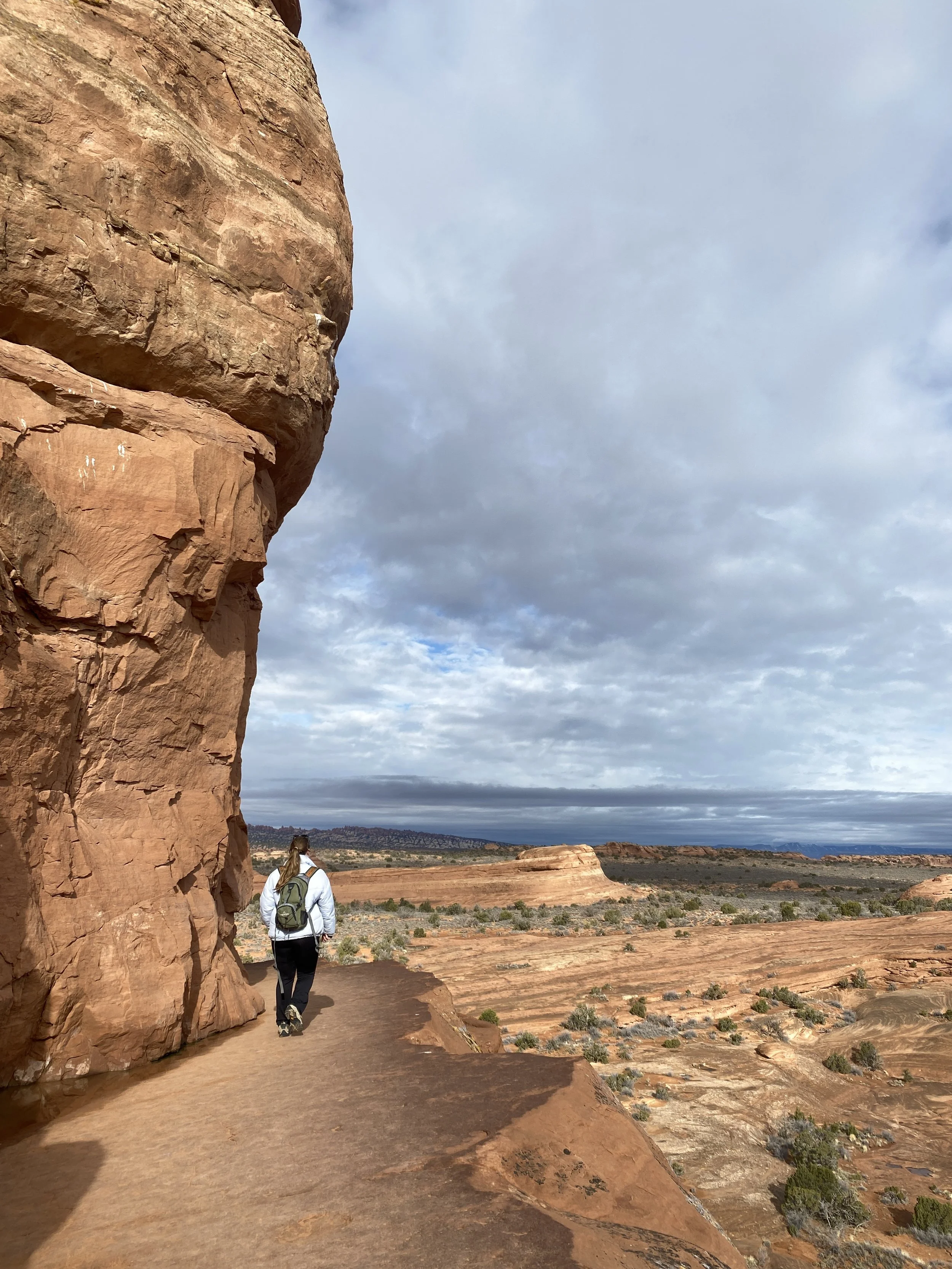
The walk back down after hiking to Delicate Arch… the cliffs were scary!!!
Weather in Arches National Park & Best Time to Visit
Arches National Park is located in Utah’s high desert, where weather can be extreme and changes quickly throughout the day. Summers are hot, winters can be cold, and there is very little shade on the trails, making timing an important part of planning your visit.
Spring (March–May) and fall (September–October) are the best times to visit Arches National Park. Temperatures are more comfortable, hiking conditions are ideal, and the softer light makes these seasons especially great for photography. These months are also the busiest, so visiting early in the morning or near sunset helps avoid crowds.
Summer (June–August) brings intense heat, often over 100°F, and hiking is best limited to early mornings. Winter (November–February) is much quieter and can be beautiful, especially after snowfall, though cold temperatures and icy trails are possible.
No matter when you visit, expect dry air, strong sun, and big temperature swings between day and night — layering and planning around cooler hours makes all the difference.
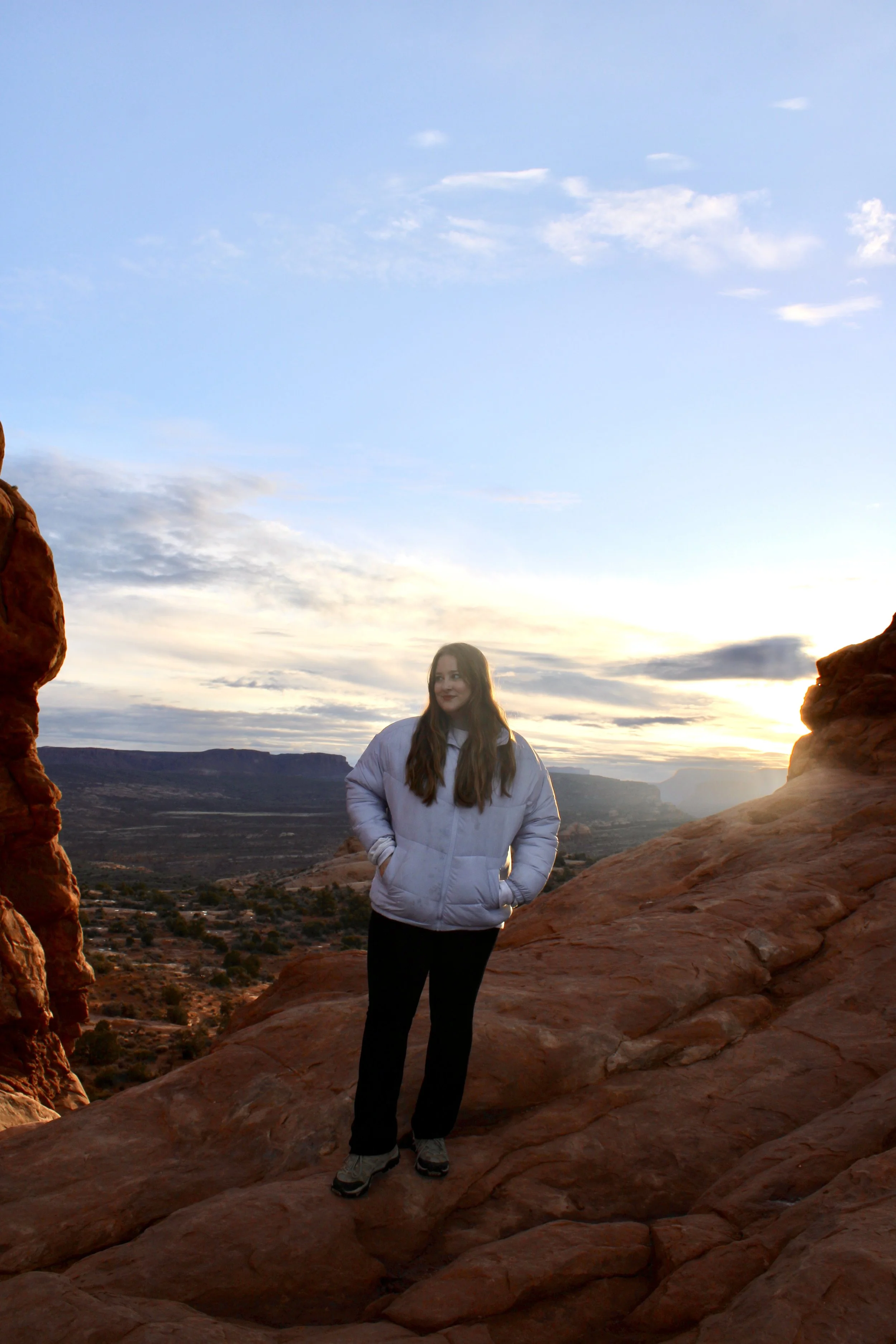
I went in middle of March and you can see by my jacket it was chilly in the morning but got hot by the afternoon. But was I also sweating far too much on the hike up? Yes.
Arches National Park Packing List
Here are a few items I recommend bringing:
Plenty of water – Staying hydrated is essential, especially during the warmer months. Refill stations are limited inside the park, so bring more water than you think you'll need.
Comfortable hiking shoes – Many of the best hikes in Arches National Park include uneven terrain, slickrock, and sandy trails.
Sunscreen, sunglasses, and a hat – The desert sun is strong year-round, and most trails offer very little shade.
Light layers – Temperatures can vary throughout the day, with cool mornings and warm afternoons, especially during spring and fall.
Snacks or a packed lunch – There are no restaurants inside Arches National Park, so it's a good idea to bring food if you'll be exploring for several hours.
A camera or smartphone – From iconic arches to sweeping desert landscapes, you'll find incredible photo opportunities throughout the park.
My Best Tip
One of the best decisions I made was starting my day early. Not only were the temperatures cooler, but the trails were quieter, and the soft morning light made the red rock formations even more beautiful to photograph. If you're visiting Arches National Park for hiking or photography, an early start is well worth it.
costs to visit the park
During peak season of April through October, Arches National Park requires a timed entry reservation, so make sure to plan ahead. This system helps manage crowds and makes the experience more enjoyable overall. The cost is $30 per car.
Here is the link for a timed entry reservation!
If you plan on visiting more than one national park, consider buying the America the Beautiful National Parks Pass. This annual pass covers entrance fees to Bryce Canyon National Park and many other U.S. national parks, making it a great option for road trips and frequent travelers. It’s $80 for the annual pass.
Here is the link for the America the Beautiful National Parks Pass!
How Much Time Do You Need in Arches National Park?
If you're short on time, you can see many of Arches National Park's highlights in just one day. That's exactly what I did! With an early start, I was able to hike to Delicate Arch, visit the Windows Section, stop at Balanced Rock, and enjoy several scenic viewpoints throughout the park.
If you enjoy hiking or photography, I'd recommend spending two days. It allows you to explore at a slower pace and catch both sunrise and sunset without feeling rushed.
Whether you're visiting Arches National Park for the hiking, photography, or simply to experience one of the most unique landscapes in the United States, I hope this guide helps you plan an unforgettable trip.
If you've visited Arches National Park, I'd love to hear your favorite trail or viewpoint in the comments!
Remember to leave the place cleaner than you found it!
xoxo
Jenna